|
EQS-News: Benzinga
/ Key word(s): Public Policy/Govt
By Meg Flippin, Benzinga DETROIT, MICHIGAN - April 8, 2026 (NEWMEDIAWIRE) - After nearly two decades of socialist rule, mineral-rich Bolivia is at a turning point, following the inauguration of President Rodrigo Paz in November 2025. In an effort to shore up an economy that is suffering from soaring inflation and depleted foreign exchange reserves, the new government has introduced a "capitalism for all” platform that includes restoring full diplomatic ties with the U.S. and encouraging investments from the Western world and international financial institutions. 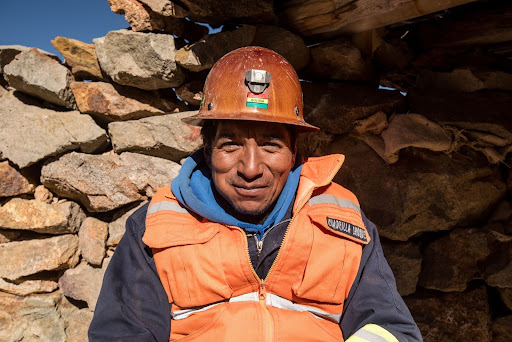 The country, which for years prioritized state-led resource nationalism, is ready and willing to embrace foreign direct investment in strategic sectors, including mining. Bolivia wants to play a larger role in the global critical mineral supply chain and is betting that a shift into capitalism will help it achieve that end. That’s a far cry from a few years ago, when Bolivia nationalized its hydrocarbon sector, expelled the U.S. ambassador and restricted private participation in its vast natural resource reserves. Western-Friendly Moves One of the steps Bolivia is taking under its new government is an attempt to end twenty years of fuel subsidies in favor of market-based pricing. While this move faced significant domestic pushback from citizens accustomed to low gas prices, forcing a partial rollback of the efforts in early 2026, it remains a clear signal to international lenders that the Paz administration is serious about getting its finances in order. Along with this shift is Paz’s move to restore full diplomatic ties with the U.S. after a 17-year pause. By doing so, the country hopes to lure Western investment and technical expertise to its mining sector, specifically targeting its vast resources of lithium, silver and tin. As part of this effort, Bolivia has introduced a three-year profit tax holiday for new projects and vowed fast-track regulatory approvals to bypass the bureaucratic red tape that was a staple of the former government. By inviting independent third-party certification of its resources and promising transparent, bankable contracts, the Paz administration aims to position Bolivia as a reliable alternative in the global critical minerals supply chain. Helping The World Move Away From Socialist Infrastructure The efforts on the part of Bolivia come at a time when the Western world is looking to reduce its reliance on China and Russia for critical minerals, particularly those deemed vital for its economic and national security. After all, Bolivia holds the world’s largest lithium resources, but they have largely been trapped in the ground. It also holds the world's 9th-largest silver reserves but has been unable to extract the metal at scale. By modernizing its mining laws, the new government hopes to turn these resources into a main driver of its economic recovery. It also aligns Bolivia closer to the U.S.’s Inflation Reduction Act (IRA), which aims to unlock billions of dollars in consumer tax credits for electric vehicles (EVs) that use minerals from countries with which the U.S. has a free trade agreement. While Bolivia can’t claim that status, it is seeking a Critical Minerals Agreement (CMA) similar to the one the U.S. signed with Japan. This would allow Bolivian lithium, silver and tin to be treated as FTA-compliant under the IRA. Lithium is necessary for the batteries that go into EVs, and silver, which is the most conductive metal on earth, is used in everything from the photovoltaic cells in solar panels to the complex electrical systems in EVs. It is also a key component for military applications, including missile guidance systems, satellite communications and radar. As it stands, the U.S. imports the majority of its silver, and with China controlling a large part of the supply, it is actively looking for stable partners, which the government of Bolivia is trying to become. Investment Opportunities Abound If Bolivia is successful with its efforts, it could open up an entirely new avenue of investment for investors. After all, Bolivia has large underdeveloped mineral resources that are in the early stages of exploration. Plus, with regulatory reforms and the interest on the part of Western economies to find new suppliers, money could pour into the country. None of this is lost on New Pacific Metals Corp. (TSX: NUA) (AMEX: NEWP), the Vancouver, British Columbia, mining exploration and development company with two permitting-stage precious metal projects in Bolivia. The company has been investing in those projects and is confident it will pay off in the coming years. After all, the company owns two of the world’s largest undeveloped open-pit silver projects, which have the potential to produce nearly 19 million ounces of silver annually. Building on that, New Pacific said it reached a milestone in February by signing a framework agreement with the Carangas community, which clears a key hurdle for the development of its silver-gold project. This agreement, which includes commitments to local infrastructure and environmental protections, enables the company to move ahead with a 30,000-meter drilling campaign and a formal feasibility study this year, reported New Pacific. With the new Bolivian government promising to fast-track the conversion of exploration licenses into full mining permits, New Pacific says it is positioned to transition from an explorer to a silver producer just as demand for green energy technologies takes off. Bolivia is at a crossroads as it shifts from socialist rule toward capitalism. With the Western world looking for friendly countries to get its critical minerals from, Bolivia is raising its hand and saying it wants to be a major supplier. If the country is successful with its efforts, it could spell more opportunities for shareholders of companies like New Pacific. To learn more about New Pacific Metals and its silver mines in Bolivia, click here. Featured image from Shutterstock. This content was originally published on Benzinga. Read further disclosures here. This post contains sponsored content and was created in collaboration with a third-party partner. Benzinga is a publisher and does not provide personalized investment advice or act as a broker or dealer. This content is for informational purposes only and is not intended to be investing advice or an offer or solicitation to buy or sell any security. View the original release on www.newmediawire.com News Source: Benzinga
08.04.2026 CET/CEST Dissemination of a Corporate News, transmitted by EQS News - a service of EQS Group. |
| Language: | English |
| Company: | Benzinga |
| United States | |
| EQS News ID: | 2305216 |
| End of News | EQS News Service |
|
|
2305216 08.04.2026 CET/CEST